SHARE
Indigenous Tourism
Posted August 2026 | Bob Turner
In my previous two blogs, entitled “Should I Stay…”, I referred to a couple of new classes of tourism that have become extremely popular post pandemic, and more recently, in the “Trump Tariff” era.
“Domestic Tourism” has experienced rapid growth at the expense of Canadians going to other countries, particularly the U.S. for their holidays. Another rapidly growing one is Indigenous tourism, attracting international visitors, but in particular, Canadians, and here in Red River North, Manitobans.
Indigenous Tourism is a form of travel that allows visitors to engage with and experience the cultures, traditions, and heritage of Indigenous peoples while supporting their communities economically and socially.
Indigenous tourism involves visiting destinations where indigenous peoples live and participating in experiences that are majority-owned, operate, or controlled by Indigenous communities.
Examples of Indigenous Tourism are:
Visits to heritage sited and monument
Festivals and cultural events
Art tourism (visits to museums and galleries where indigenous artwork is displayed)
Folklore and traditional performances

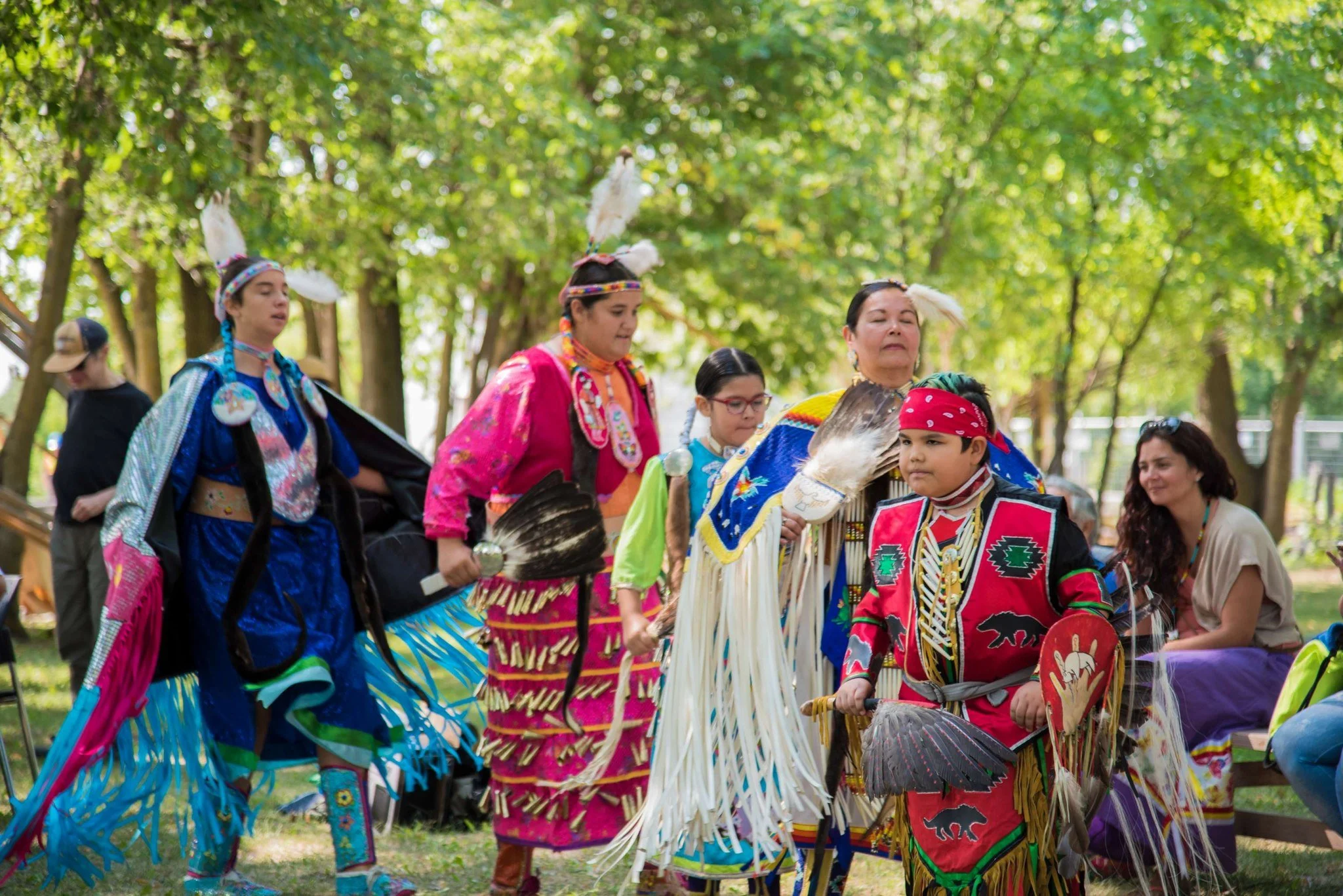
As the province with the highest proportion of its people identifying as Indigenous (18.1% in 2021 census), it should come as no surprise that it is a rapidly growing form of tourism here in Red River North(RRN). In that same 2021 census, 35.1% of the population of Selkirk - RRN’s largest centre – were Indigenous. (Note: the term indigenous refers to First Nations, Metis, and Inuit peoples.)
Before I point out some of the attractions in RRN, I feel it is worth talking about the benefits of Indigenous Tourism to ALL residents of the region:
1. Cultural Preservation: it helps safeguard languages, rituals, and traditions by offering a way to share that heritage with visitors, and local residents alike, ensuring these practices will continue in future generations.
2. Economic Development and Empowerment: income is generated through this tourism, creating opportunities for indigenous communities to create jobs, improve education, healthcare, and quality of life in general.
3. Social and Ethical Engagement: respectful interaction between visitors and communities is encouraged, helping to promote greater understanding, reducing stereotypes, and helping to support reconciliation efforts in regions which have a history of marginalization.
4. Environmental and Community Sustainability: many of the tourism initiatives emphasize sustainable practices, through protection of natural resources and cultural sites, and involve local communities in decision-making.
Here in Red River North, Indigenous Tourism activities range from guided cultural tours, heritage site visits, both guided and non-guided, traditional craft workshops, to hands-on interpretive experiences, interactive programs for students, and presentation of traditional music and dance.
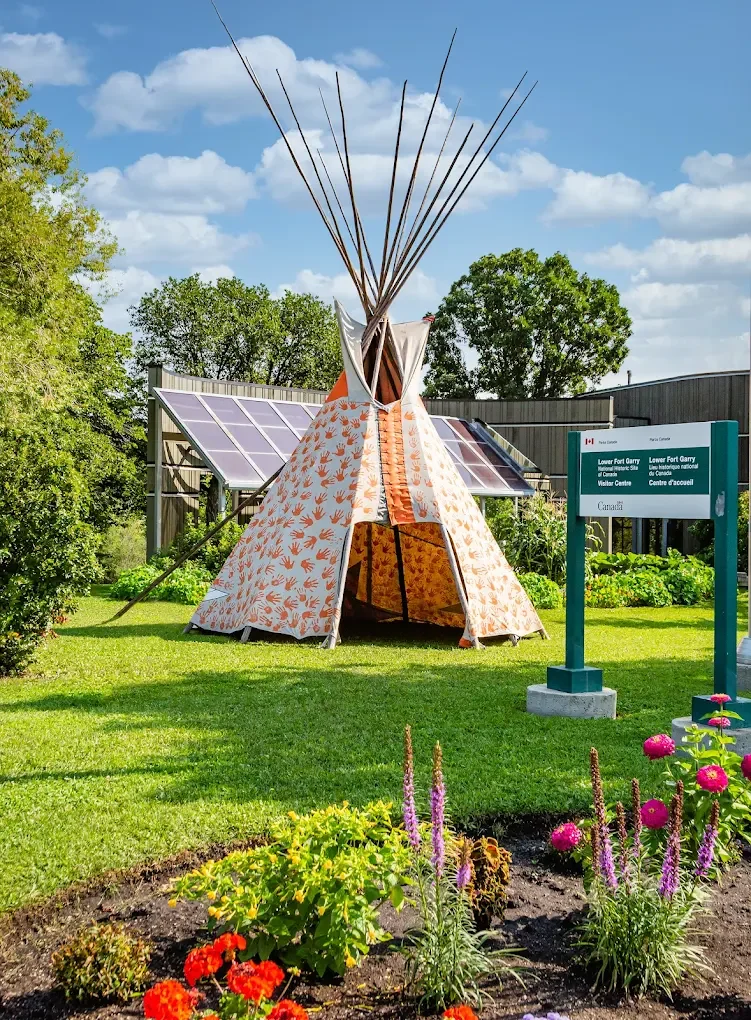
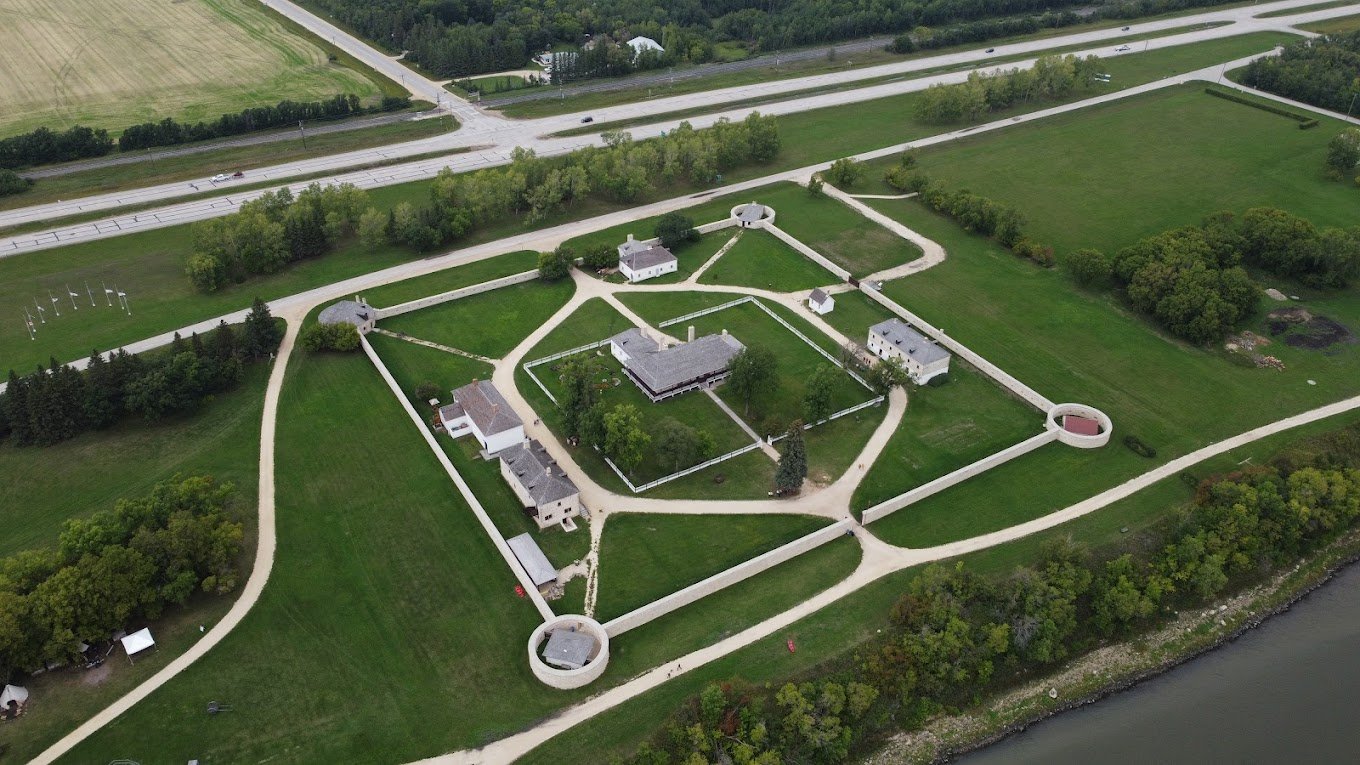
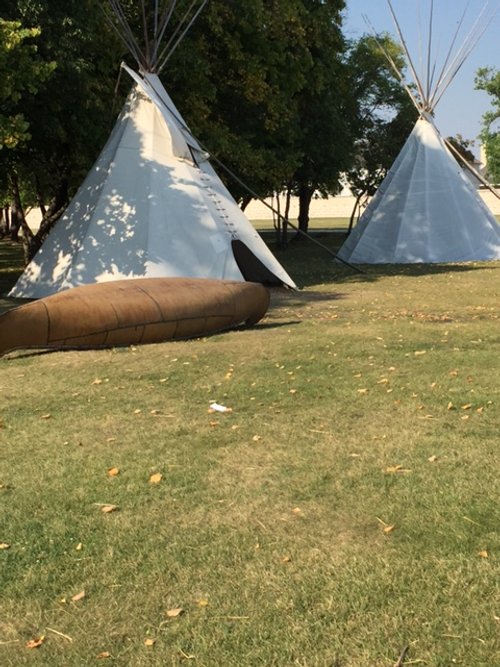
Lower Fort Garry National Historic Site offers program features including a pair of birch bark dwellings known as wigwams, which are part of Gabeeshiwin, or camp, where artisans and speakers present events throughout the year. Lower Fort Garry is the site where Treaty 1, the first of the numbered treaties was signed, and is the focal point for increased cooperation between Parks Canada, Treaty One Nation, and the Manitoba Métis Federation. In addition to some of the special programs offered here, visitors have the opportunity to go on a self-guided tour and learn more about life in the days of the fur trade and see artifacts from that period of history which illustrate the dramatic changes to a way of lie in the region which took place with increasing European occupation.

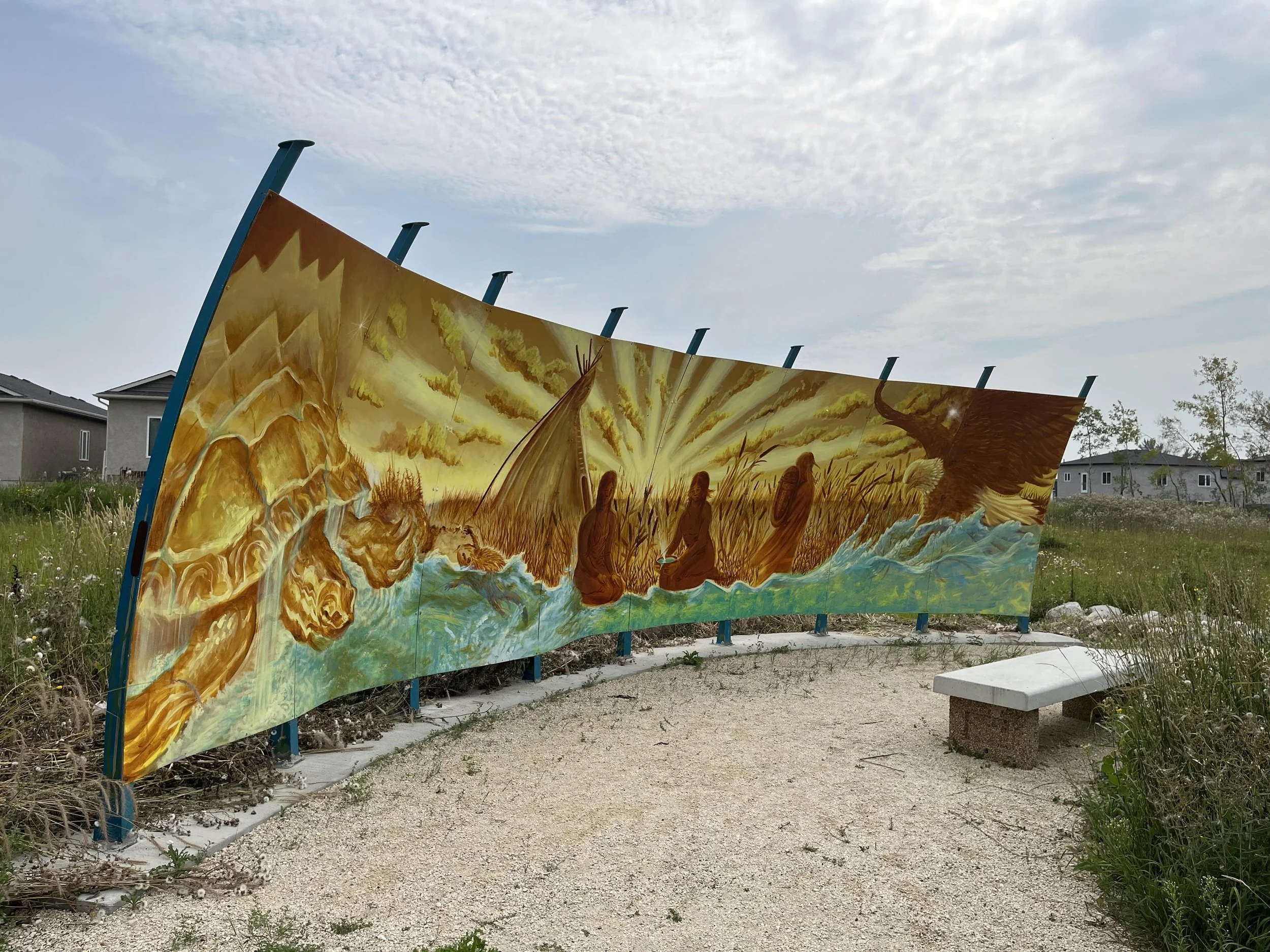
Just a short distance north, the City of Selkirk offers a number of opportunities to learn more of the Indigenous culture and rich history. One place that provides these opportunities is The Sacred Spirits of Turtle Island behind the Gaynor Family Regional Library near the west end of Manitoba Avenue. This is an amphitheatre-shaped sculptural mural display depicting the spiritual path of the cycle of life aligned with the four directions of traditional teachings. This dedicated healing space also commemorates the history and legacy of Missing and Murdered Indigenous Women and Girls. The installation is shaped like a turtle and has four double-sided murals coordinated and painted by artists Charlie Johnson and Jeannie Whitebird, along with artists Ashley Christianson, Brad Lent, Annie Beach, Bobbie Sinclair, and Jon Ostash. A number of events throughout the year provide visitors with a chance to learn more about Indigenous culture and history.
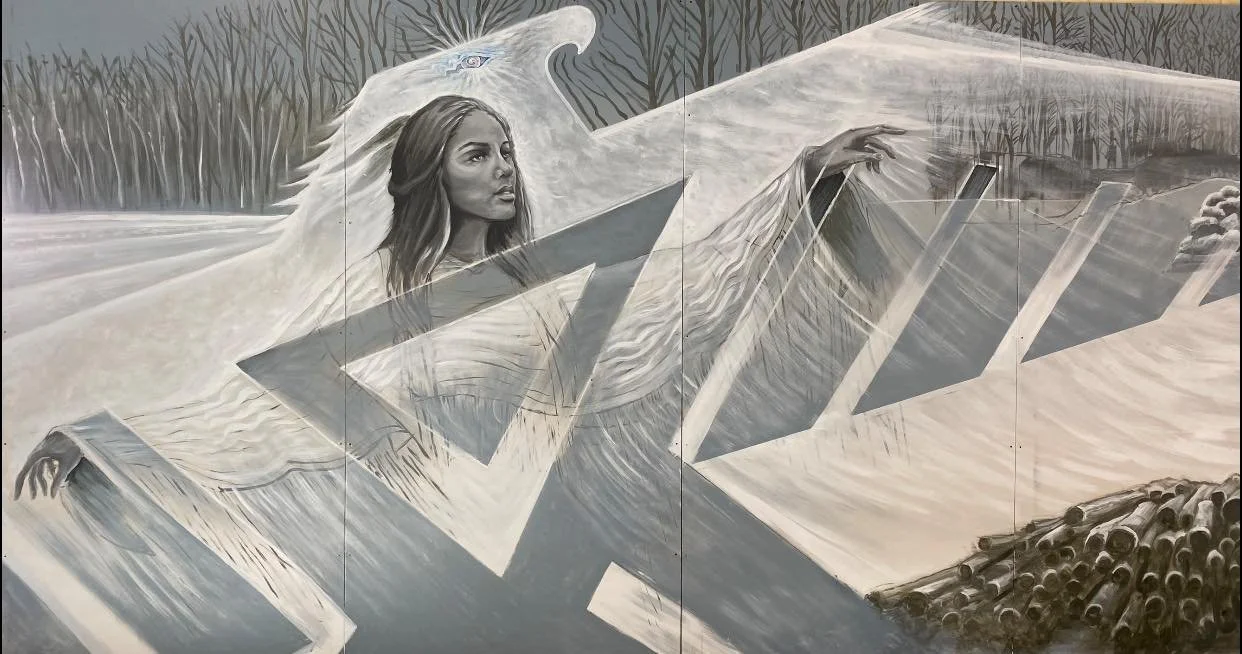
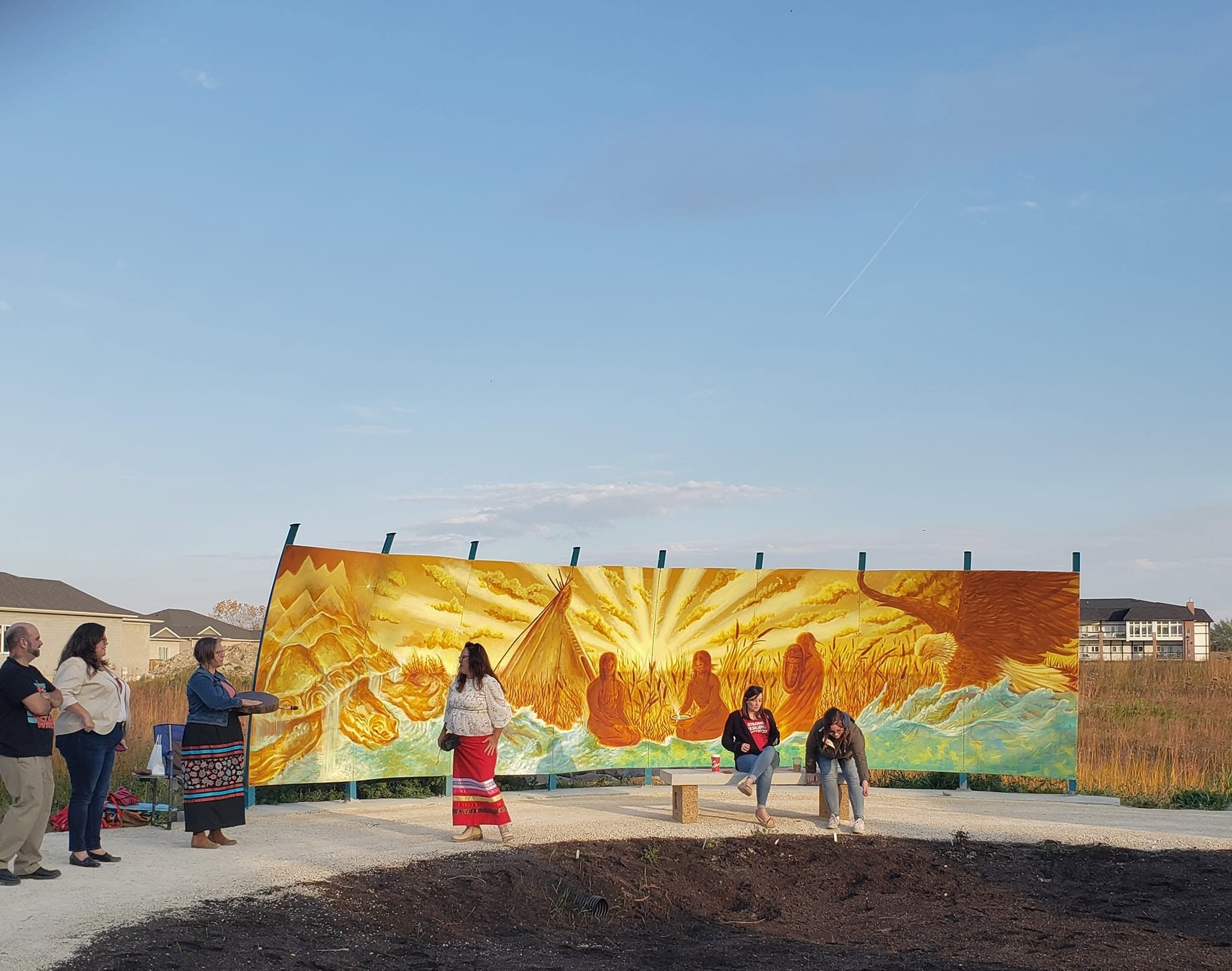
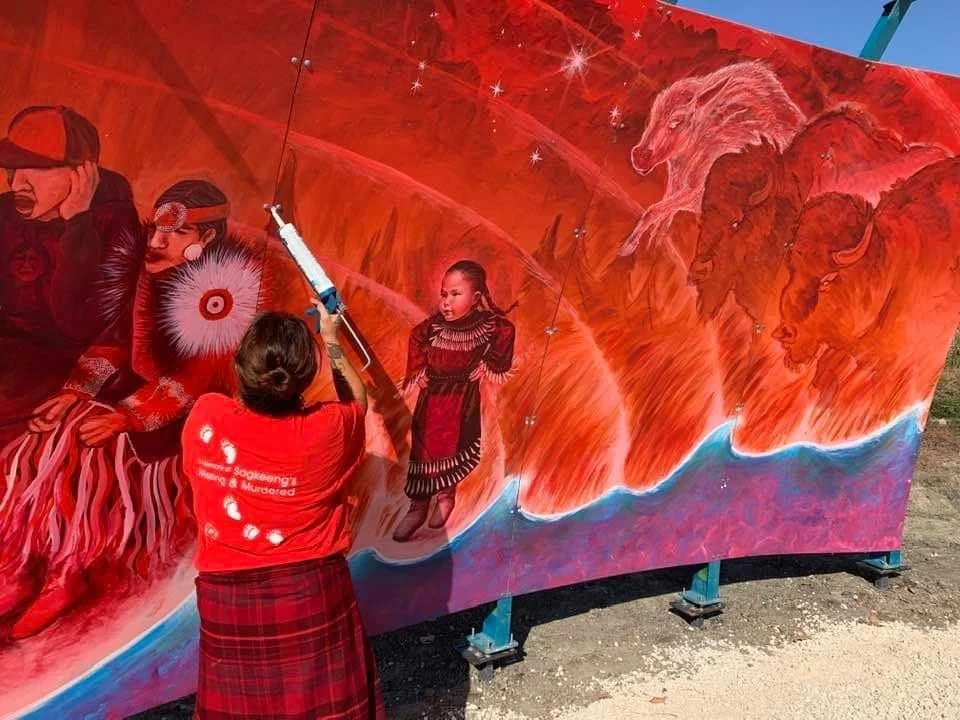
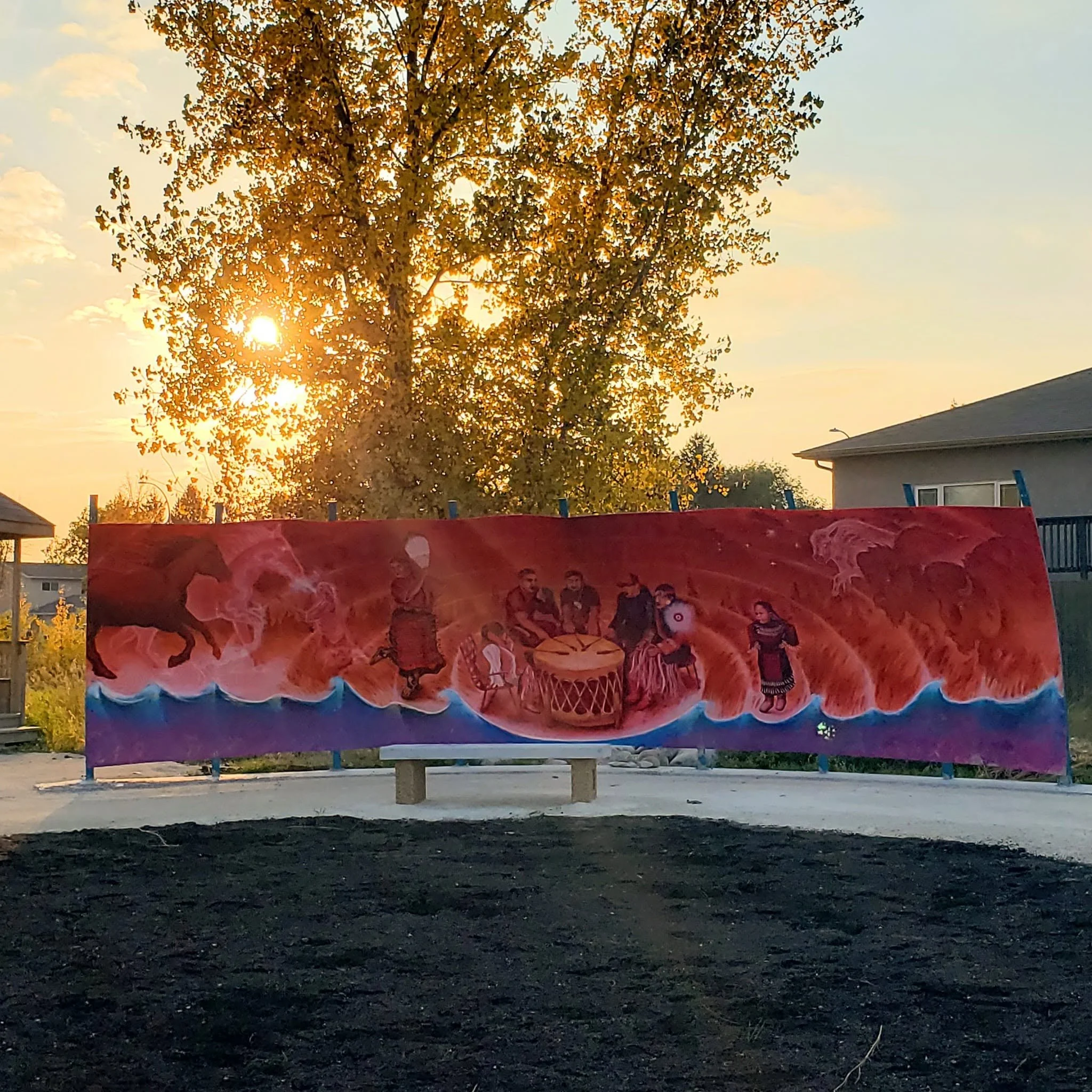
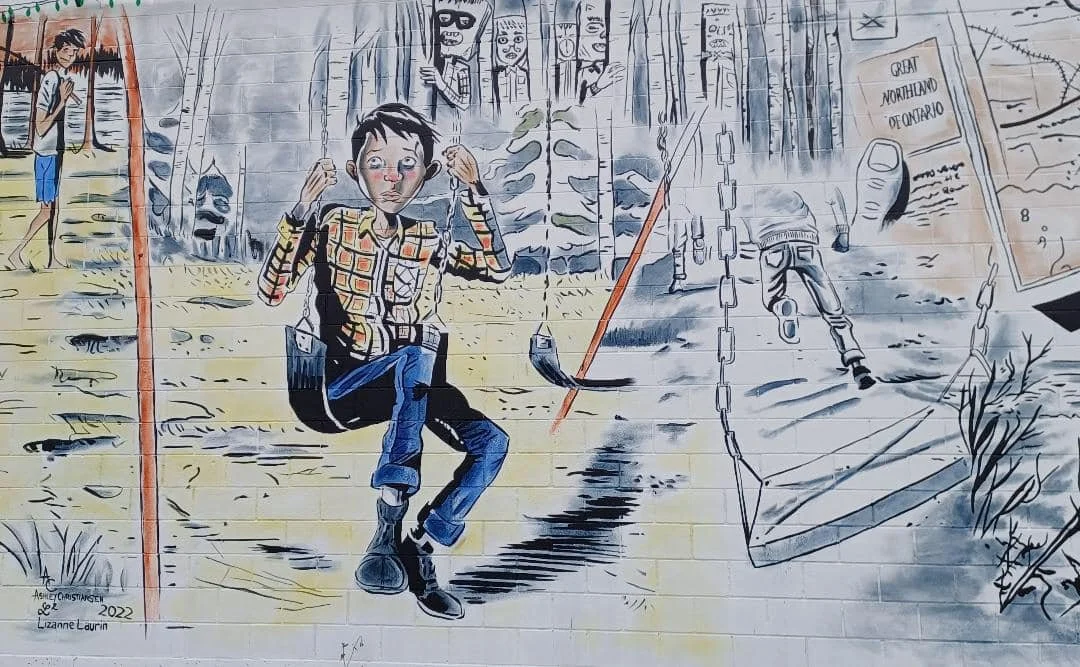
Selkirk also has a fascinating collection of Indigenous and Reconciliation murals elsewhere that celebrate local culture, history, community healing, resilience, and connection to the land.
The Chaney Wenjack Tribute, located next to Hydro Park between Main Street and Evelyne; the Reconciliation Mural at the RCMP detachment telling the story of historical interactions between Indigenous peoples and the RCMP; “The Healing Path” on Manitoba Avenue, which uses traditional beadwork in two flower gardens: Metis on the left and Indigenous on the right, reflecting the occupants of the building below. Along the path are animal totems from the Seven Sacred Teachings, joined at the centre by the Four Sacred Medicines; “Stand Strong Children” is a massive mural dedicated to legacy of residential schools, their survivors and their families; “Waterways, Passions and Histories – Going Forward Together in Harmony”, adjacent to the waterfront, illustrates the importance of the river over the centuries in the development of the community.
There are usually cultural activities to entertain tourists and even involve them during the Holiday Alley winter festival in Selkirk. In the past, there has been traditional drumming, sharing circles around a sacred fire, teepee teachings, craft sessions for the kids, Michif and Indigenous Language Teachings and indigenous art and light installations.
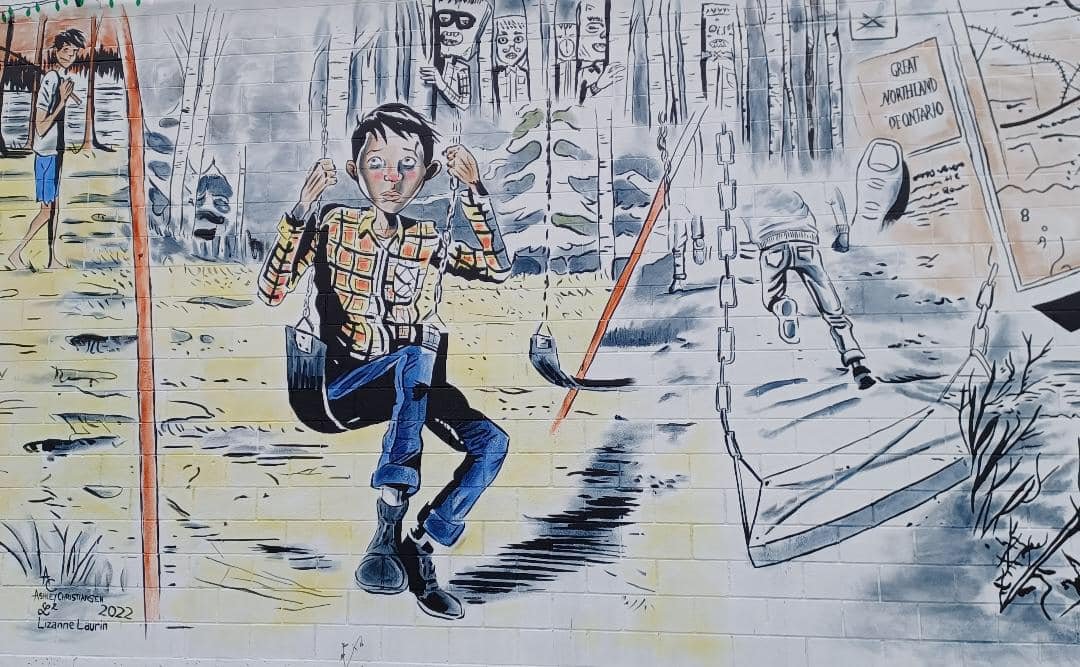
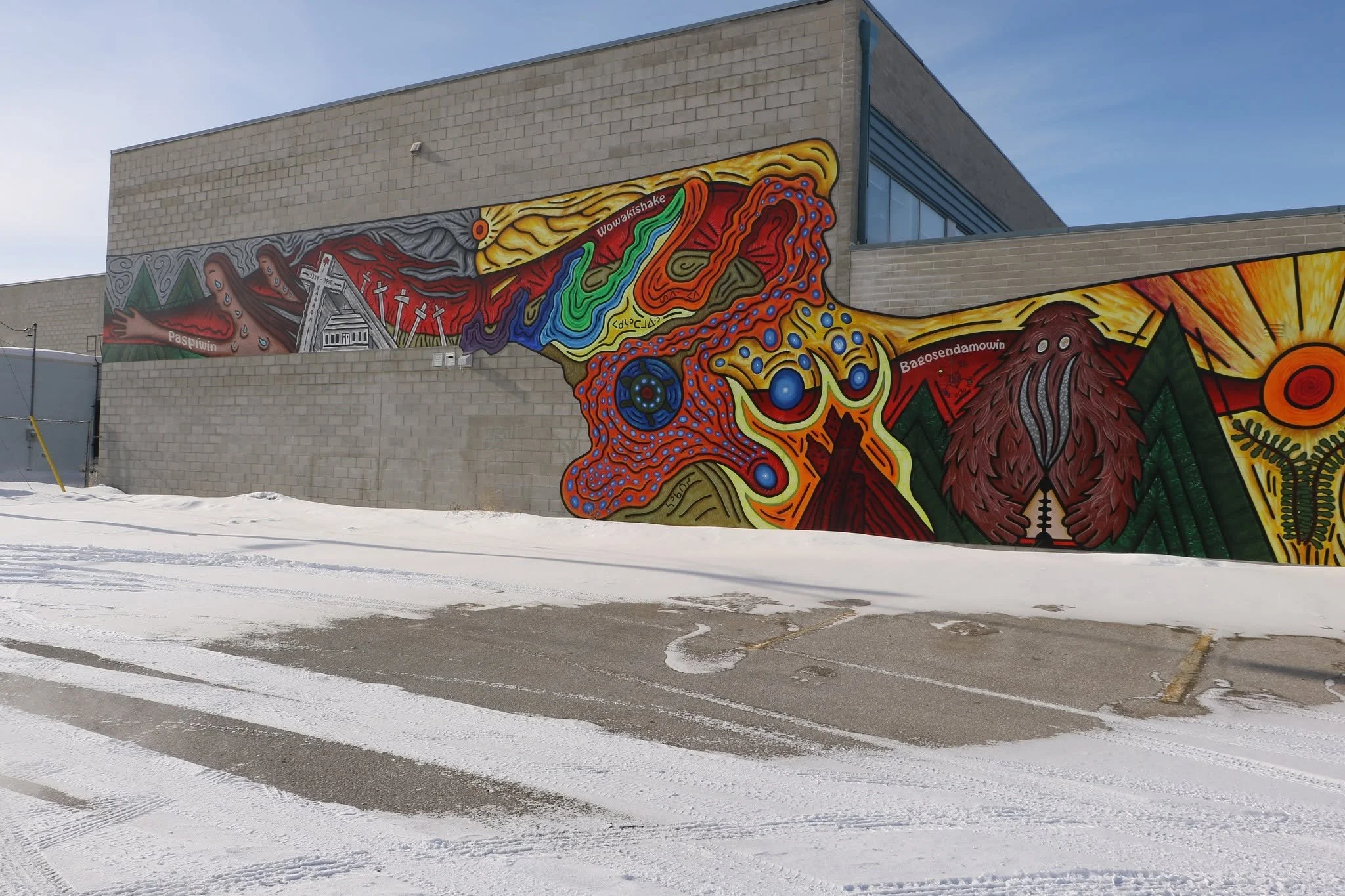
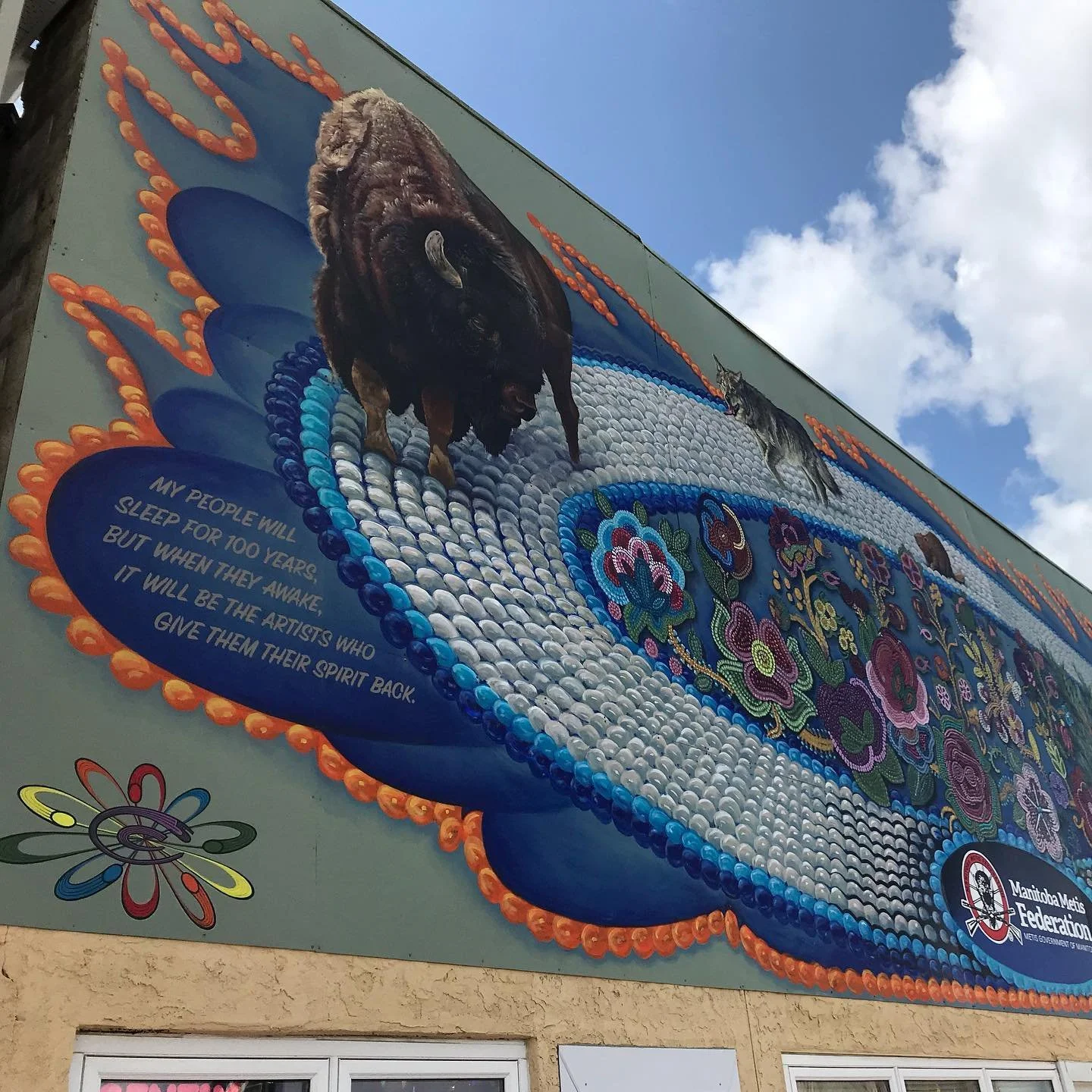
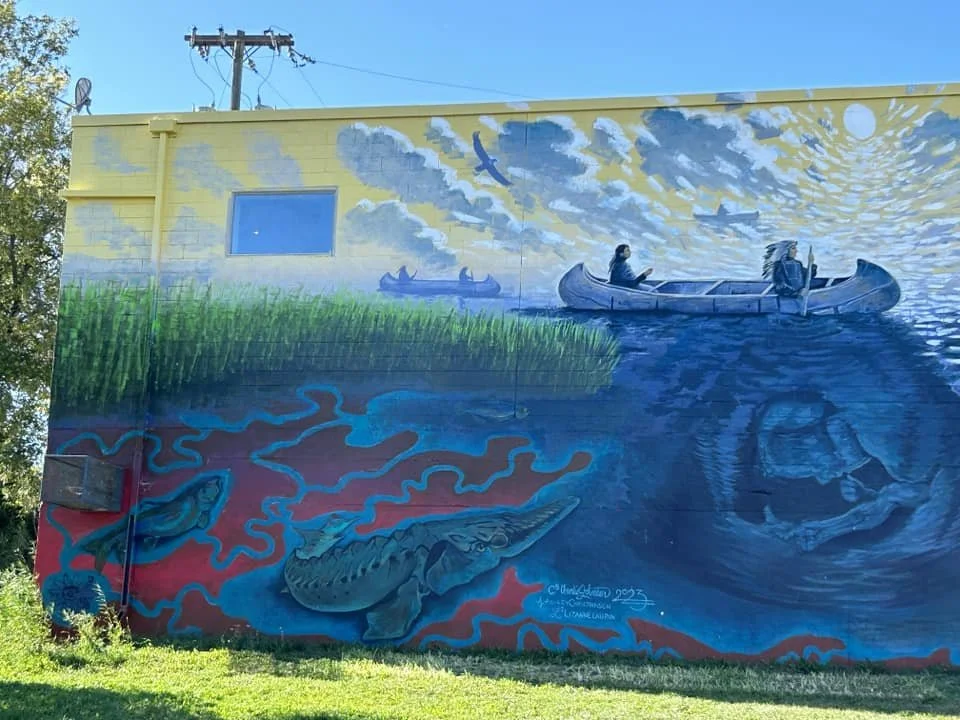
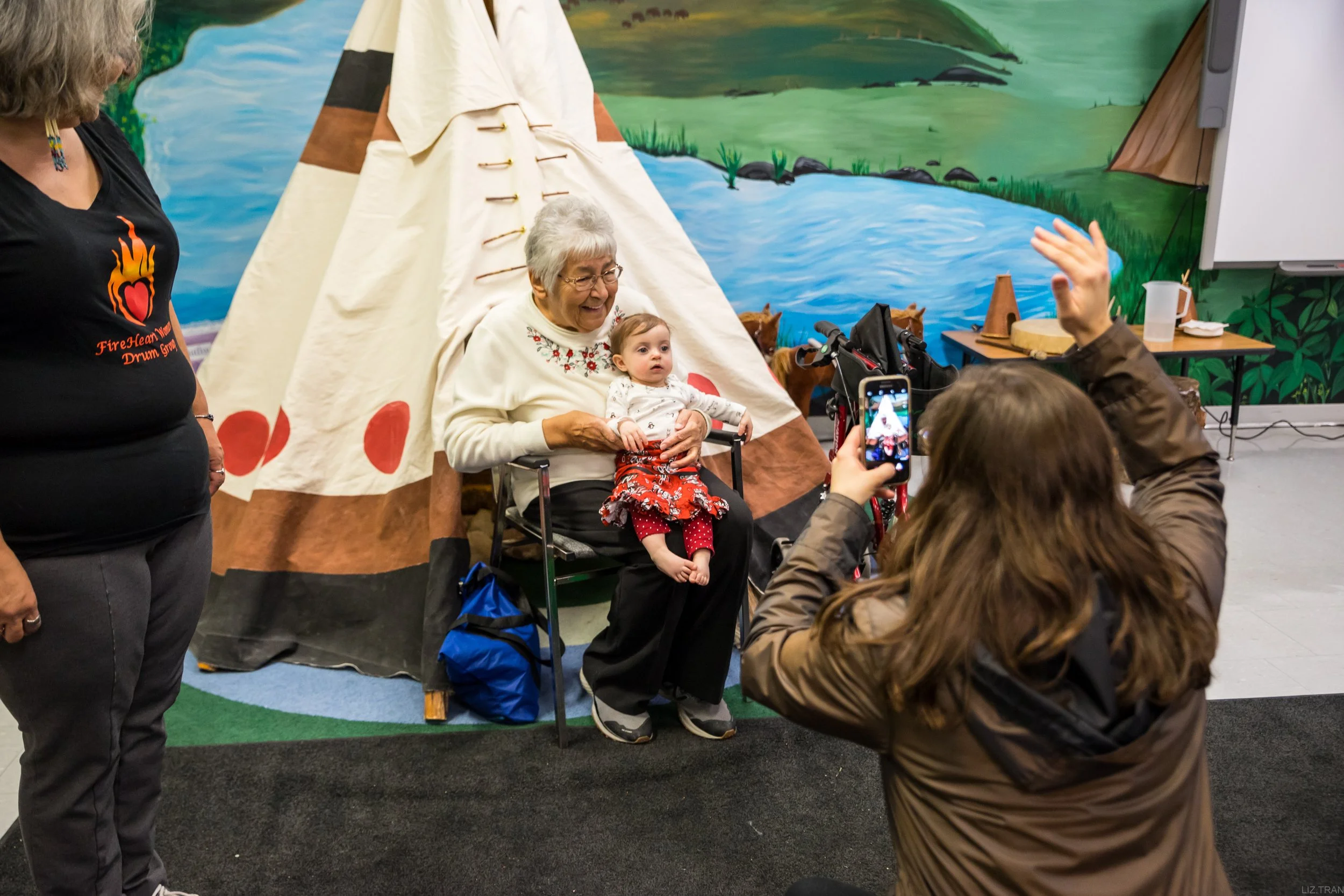
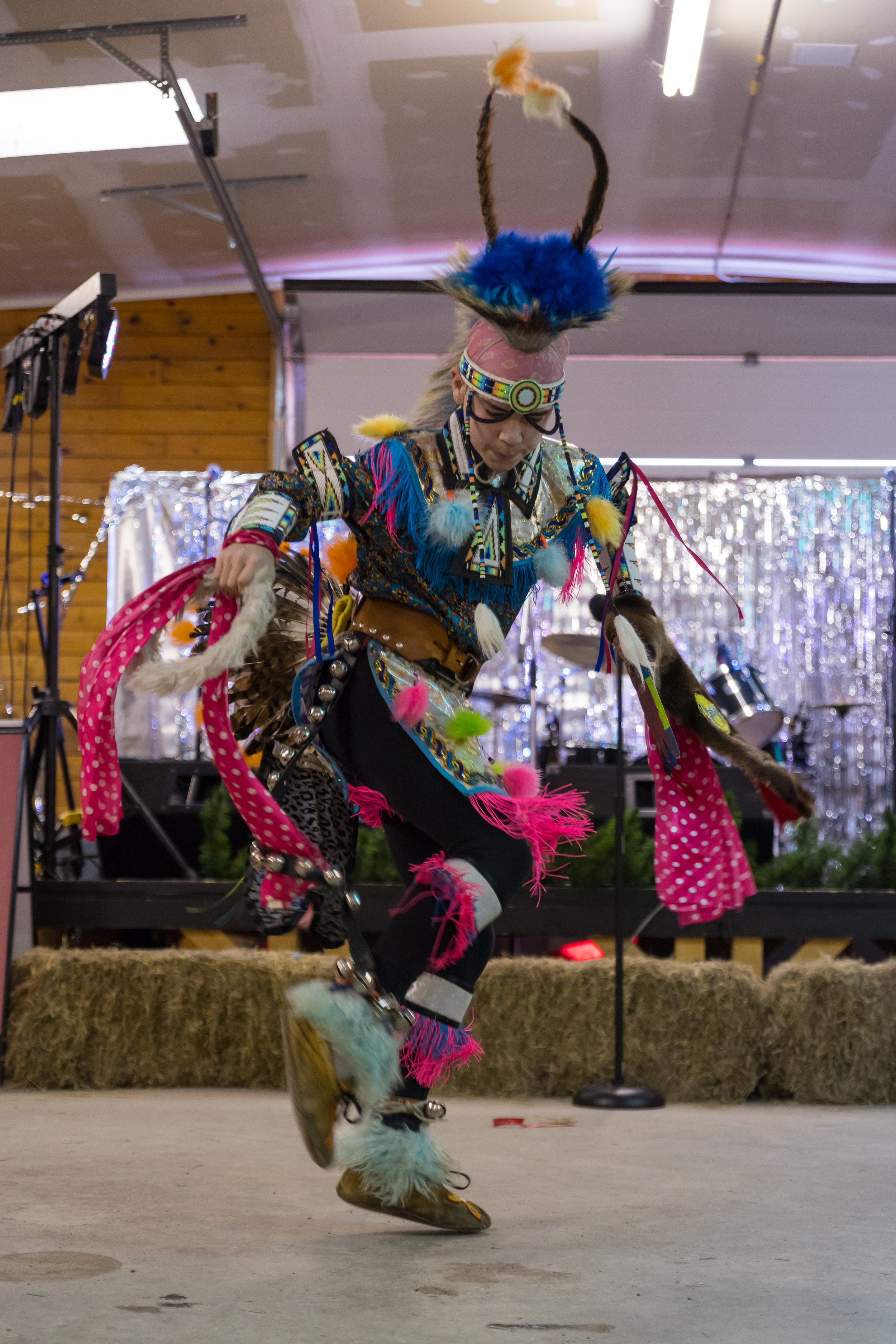
Each June 21, National Indigenous Peoples’ Day is held at Selkirk Park from 9 am to 5 pm. It’s hosted by the Manitoba Metis Federation, and features a pancake breakfast, traditional ceremonies, a barbecue, and cultural entertainment by Red River Metis. Throughout the year, the Manitoba Metis Federation also offers a program where people can learn traditional Metis floral beadwork at the Selkirk Friendship Centre.
There are a number of buildings in Red River North which are important parts of the indigenous history of the area:
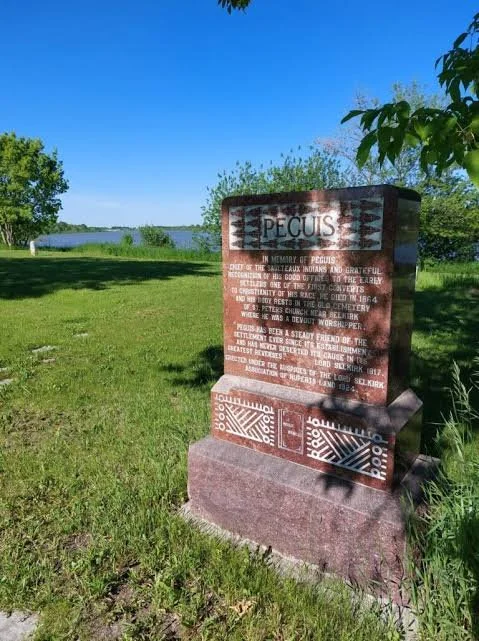
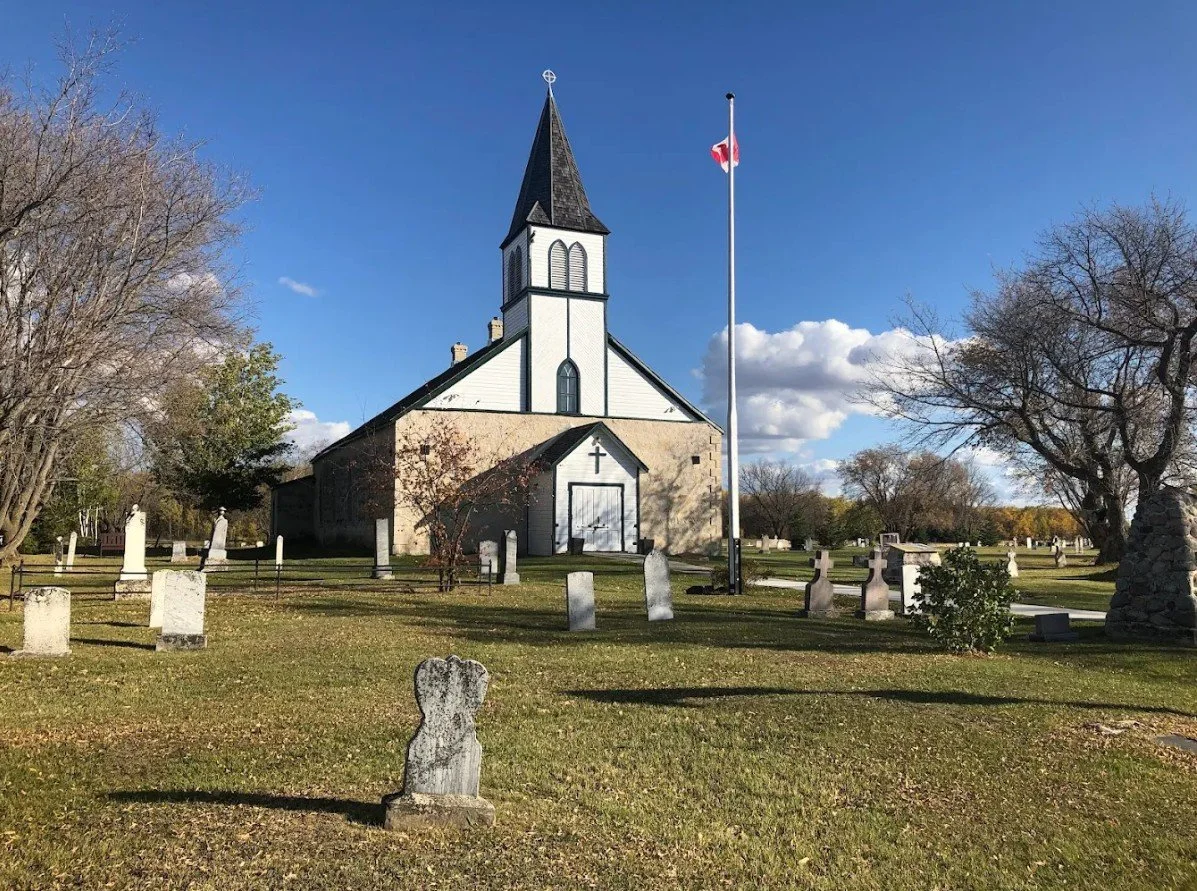
Just 3 miles north of East Selkirk, at the mouth of Cook’s Creek, is St. Peter Dynevor, usually referred to as The Old Stone Church. In addition to being the oldest stone churchin Western Canada, the graveyard at St. Peter’s is the final resting place of the legendary Saulteaux (Ojibway) leader of the nearby Netley Creek Settlement, Chief Peguis. It was his people in the area for whom the church was built, and he was instrumental in its building. This area was one of the first western agricultural/Christian settlements established and run by First Nations peoples. Peguis’s son, Henry Prince, became chief of the St. Peter’s Band/Reserve after his father’s death, and represented the band when he signed Treaty One at Fort Garry.

Further north, Brokenhead Wetland Interpretive Trails features a fully accessible walkway, complete with interpretive signs telling the story of the Wetlands from the Indigenous perspective, focusing on medicinal plants, respect for nature, and ecological balance. It is also a fine example of cooperation: developed through a partnership between First Nations, local advocates, and government.
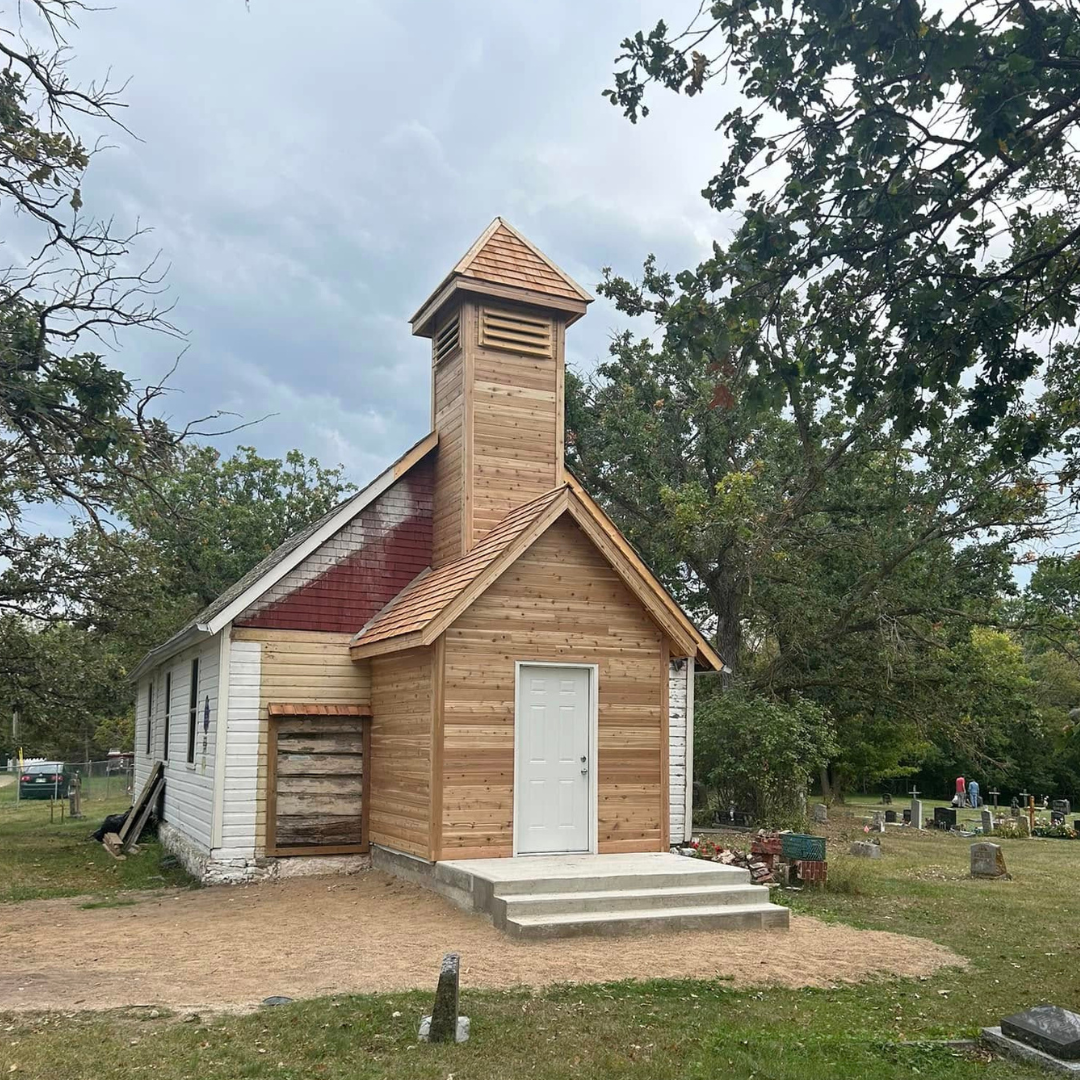
Still further north, St. Jude’s Anglican Church is also well worth the visit. The original church was built on land donated by two, Metis brothers-in-law – George Rupert and Alex Knott – who donated land from their scrip (an allotment of land in the Prairies issued by the Canadian Government to Metis residents). In 1896 Alex Knott’s mother was the first person buried in this now historic cemetery.
After various uses and falling into a state of disrepair and being closed, the church was recently restored to as close to its original state as possible, and reopened to the public, through the efforts of families in the area and the help of the Metis local. This is a true piece of Indigenous history, and a testament to the sense of community of the people in the area, Indigenous and non-Indigenous, working together.
Hopefully I have whetted your appetite for the number of places to see, people to meet, and activities to engage in as you immerse yourself in the past time of Indigenous Tourism.
One more example of why I always say:
“Whatever the season, There’s always a reason,
To spend time in Red River North”.